Agents that act on their own, with you still in control: what the new MuleSoft release delivers




Let’s be honest: normally, you’d probably skip a blog post about a ‘Long Term Support’ (LTS) release. Release notes, Java versions, and patches… that sounds like homework for the IT department, not strategic insight.
But this time is different.
At Welisa, we never look at technology just for the sake of technology. We look at what it does. And what this update does is prepare your landscape for the biggest shift since the cloud: the move to the Agentic Enterprise (an organization where AI no longer waits for your command, but independently achieves goals and executes processes).
So, we won’t bore you with the technical changelog. We’re going to talk about why this update makes the difference between a smart chatbot and an AI agent that actually adds value to your bottom line.
In the past, you probably saw MuleSoft as the digital postman. It delivered packets of data from your ERP to your CRM and back again.
By now, you might also be turning on AI features across various standalone software tools in your landscape. But as AI gets smarter, you’ll notice that isolated solutions don’t scale. You don’t want to solve the same problem a hundred times in different systems. That’s why we put AI front and center. Instead of activating a separate, limited AI in every application, we bring the intelligence together in one place.

MuleSoft is the indispensable link in this. APIs are no longer passive ‘pass-throughs’ of information. They are becoming ‘Action Enablers’: the instruments through which the central AI not only reads data from all your systems for the right context, but also takes actual action.
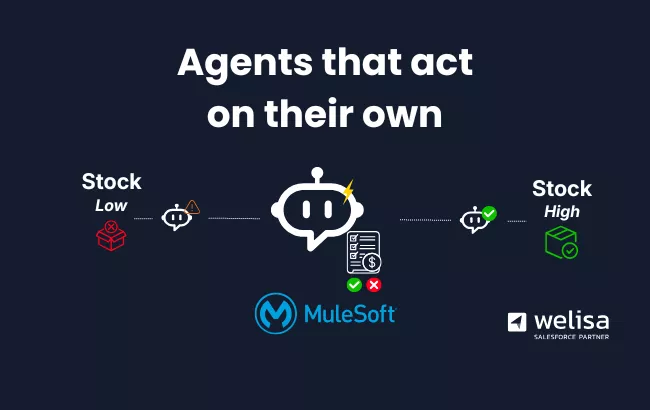
When you start deploying Agentforce soon, you don’t just want the AI to say: “I see that inventory is low.” You want the AI to execute the action autonomously: “I have reordered inventory and confirmed the delivery date in SAP.” That requires an API with absolute certainty. When AI presses a button, the exact same thing needs to happen every time. It needs that stability of the LTS release to operate reliably.
Your legacy systems (that old AS/400, that on-premise ERP) contain twenty years of company history and context. From our experience with complex production processes and data silos in the manufacturing industry, we know the trick is getting that data out in a way that AI actually understands.
At Welisa, we consciously choose a strategic route here: no risky ‘Big Bang’ replacement, but phased innovation. We use MuleSoft as the intelligent middle layer across your existing landscape. This facilitates an approach where you can immediately innovate with AI, while your core systems keep running stably. You can then modernize at your own pace, keeping it manageable and delivering an immediate return.
Here is how we build that architecture for you:

There is another reason to choose this stable foundation right now. You’ll probably start with one AI assistant. But a year from now, you might have ten: one for sales, one for service, one for procurement.
How do you prevent them from getting in each other’s way? This is where MuleSoft acts as the central air traffic controller. It is the single place that determines which AI agent gets access to which data. It verifies every request and keeps the door shut if something isn’t right. This way, you keep security and control centralized, even as your AI usage grows.
So, do you need to know the technical details of the LTS release? No, we’ll do that for you. What you need to know is this: this update is the moment to start taking your middleware seriously as the foundation of your future. It turns MuleSoft into a strategic business asset that allows you to deploy AI centrally and at scale.
At the same time, we always remain pragmatic at Welisa. Is a central AI architecture the ultimate solution? Often, yes. But we only implement it when the business case adds up. Does our analysis show that this complex setup isn’t necessary for your situation, or does the investment simply not outweigh the ROI (yet)? Then we choose a simpler route or park the ambition for now. We don’t build tech for the sake of tech; we focus on returns.
Do you want to know what this complete picture looks like in practice? In our webinar ‘The Salesforce Update’, we’ll walk you through it.
Register for the webinar here.

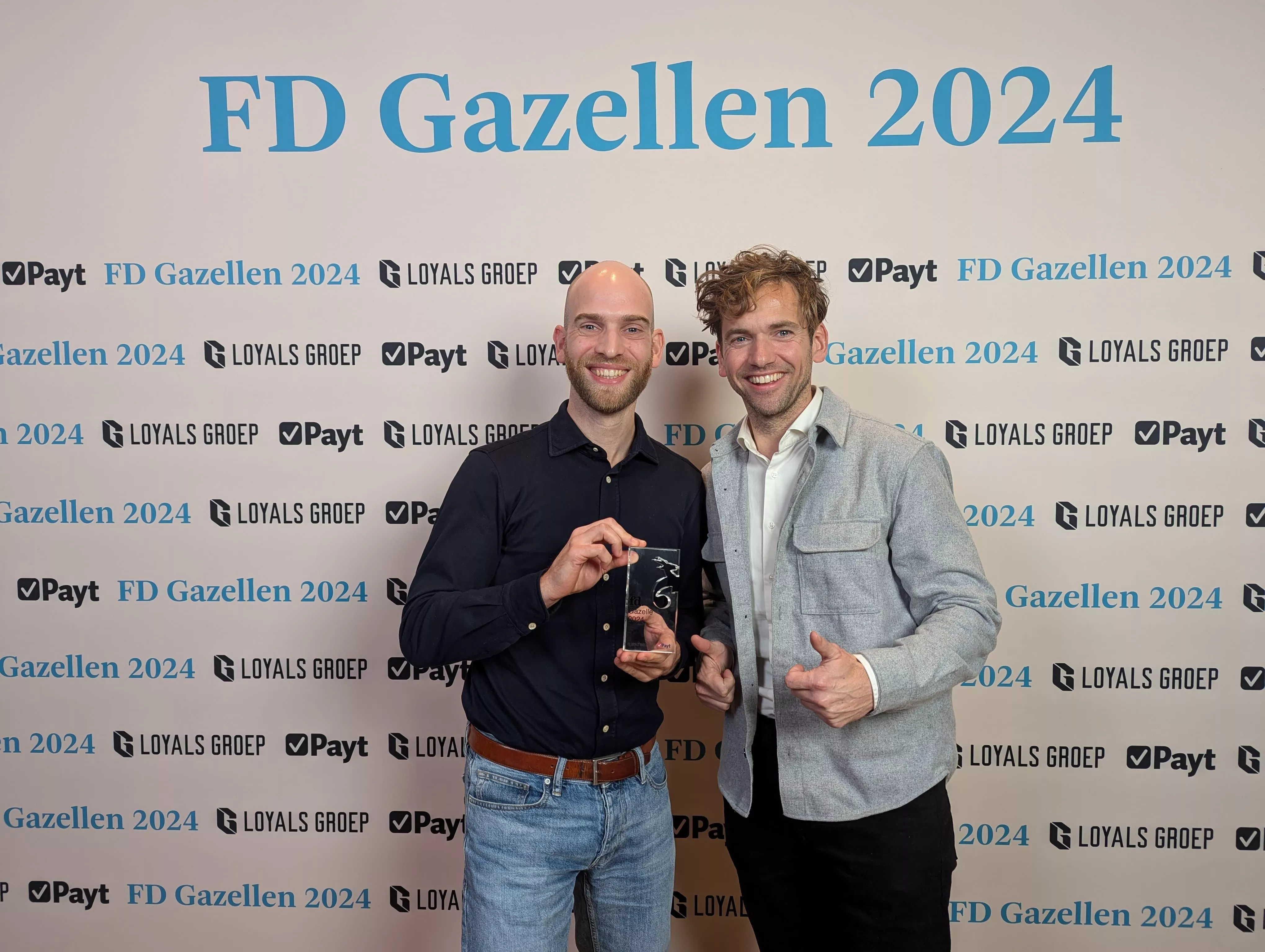 An FD Gazelle five years running: proof of healthy growth